
Seeing the Forest and the Trees
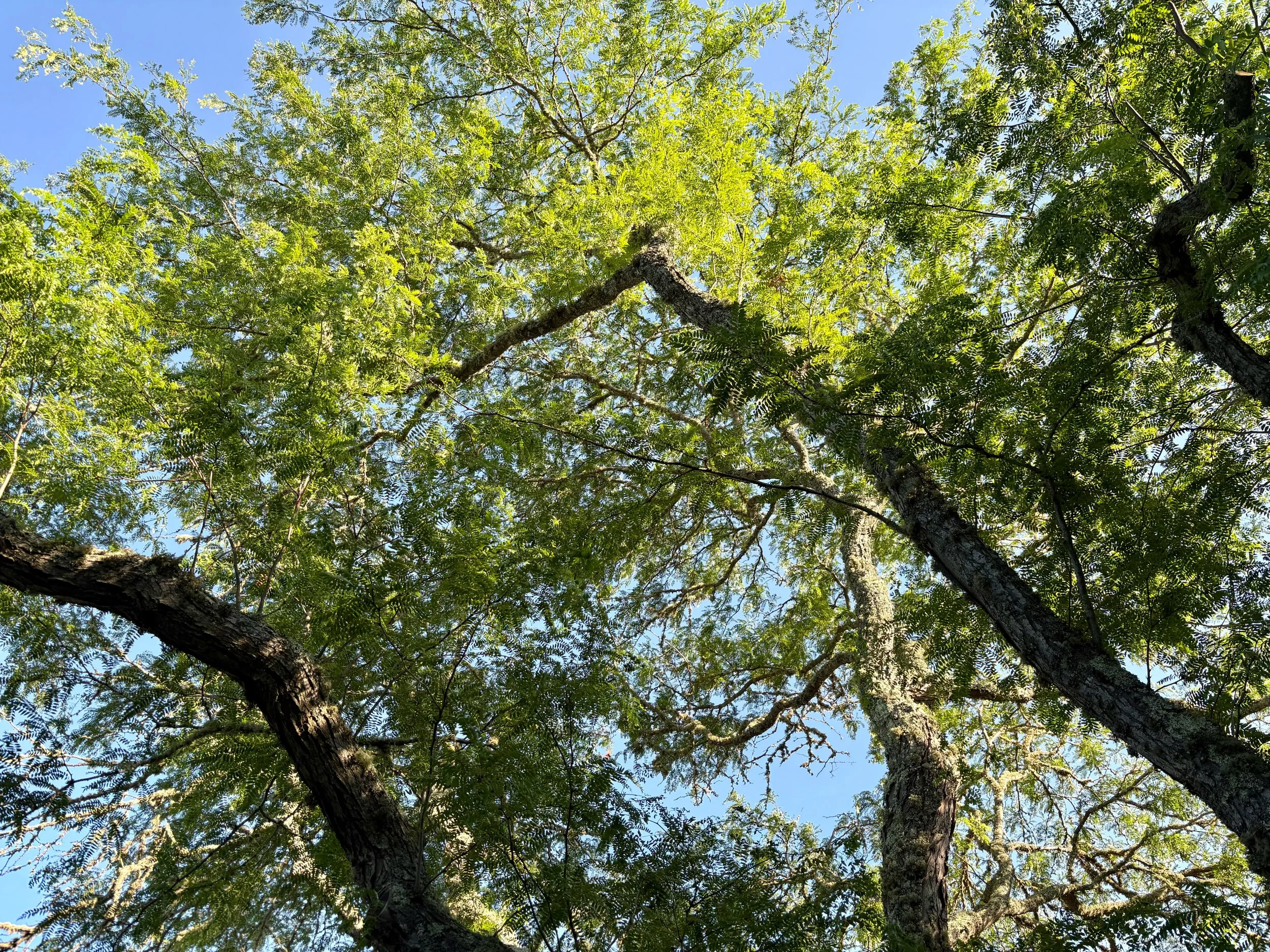
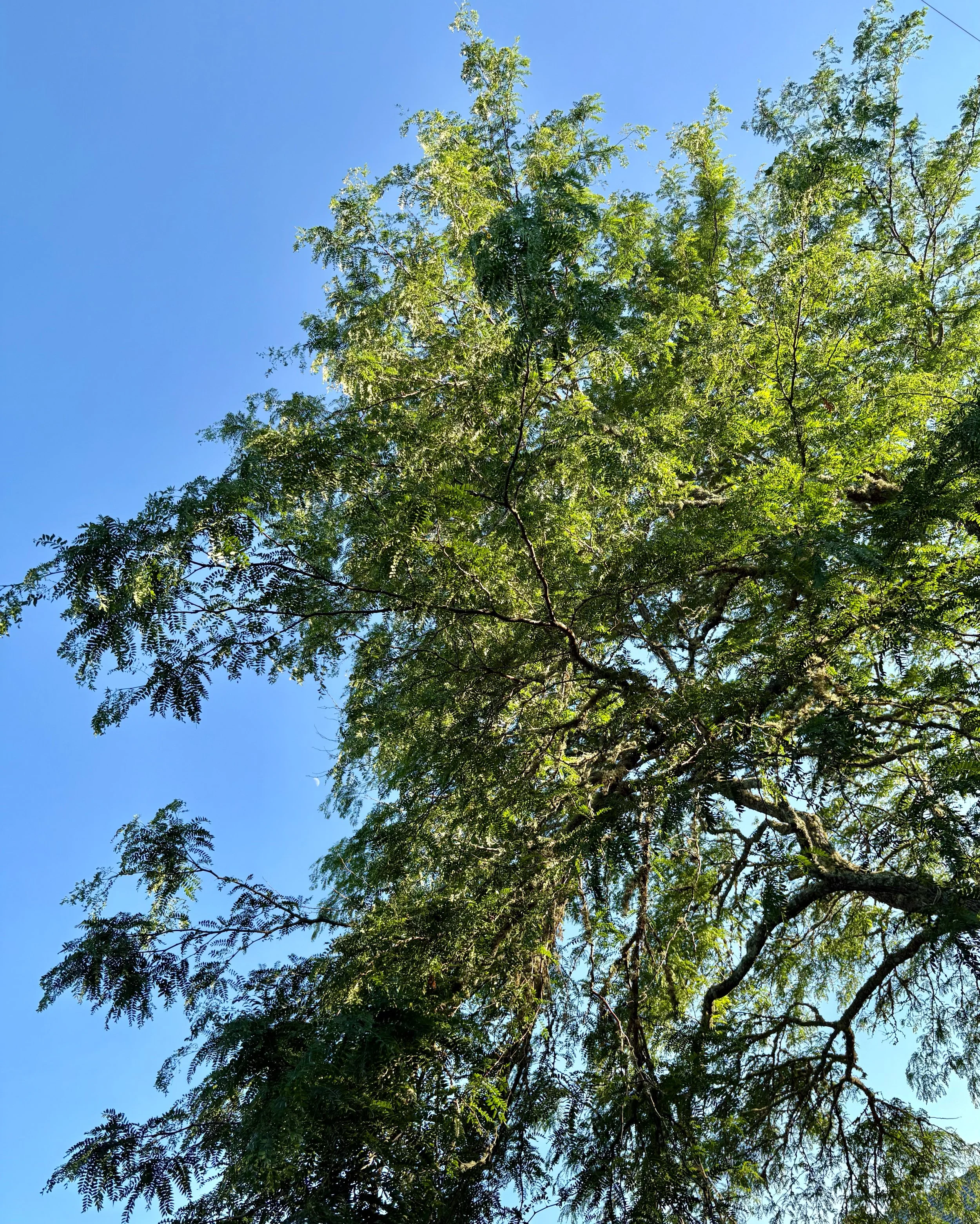
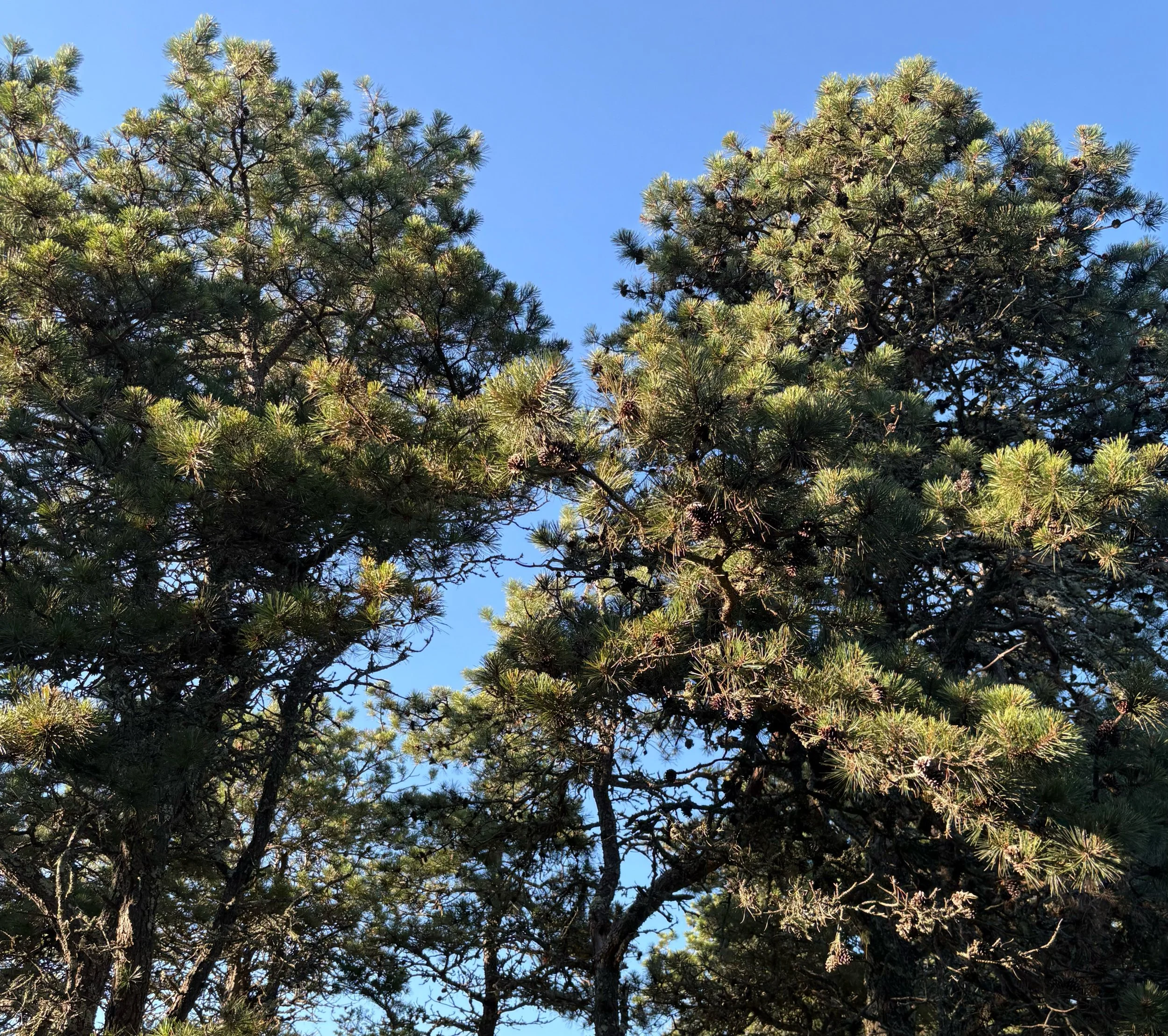
FVF is building an organization that views mature trees and forests as critical infrastructure assets delivering stormwater management, heat mitigation, carbon sequestration, habitat enhancement, flood attenuation, and community wellbeing benefits.
Public Process
When it comes to decisions that will impact the health and well being of the island as a whole, the public process must be inclusive, transparent, and allow for meaningful participation.
Climate & Watershed Awareness
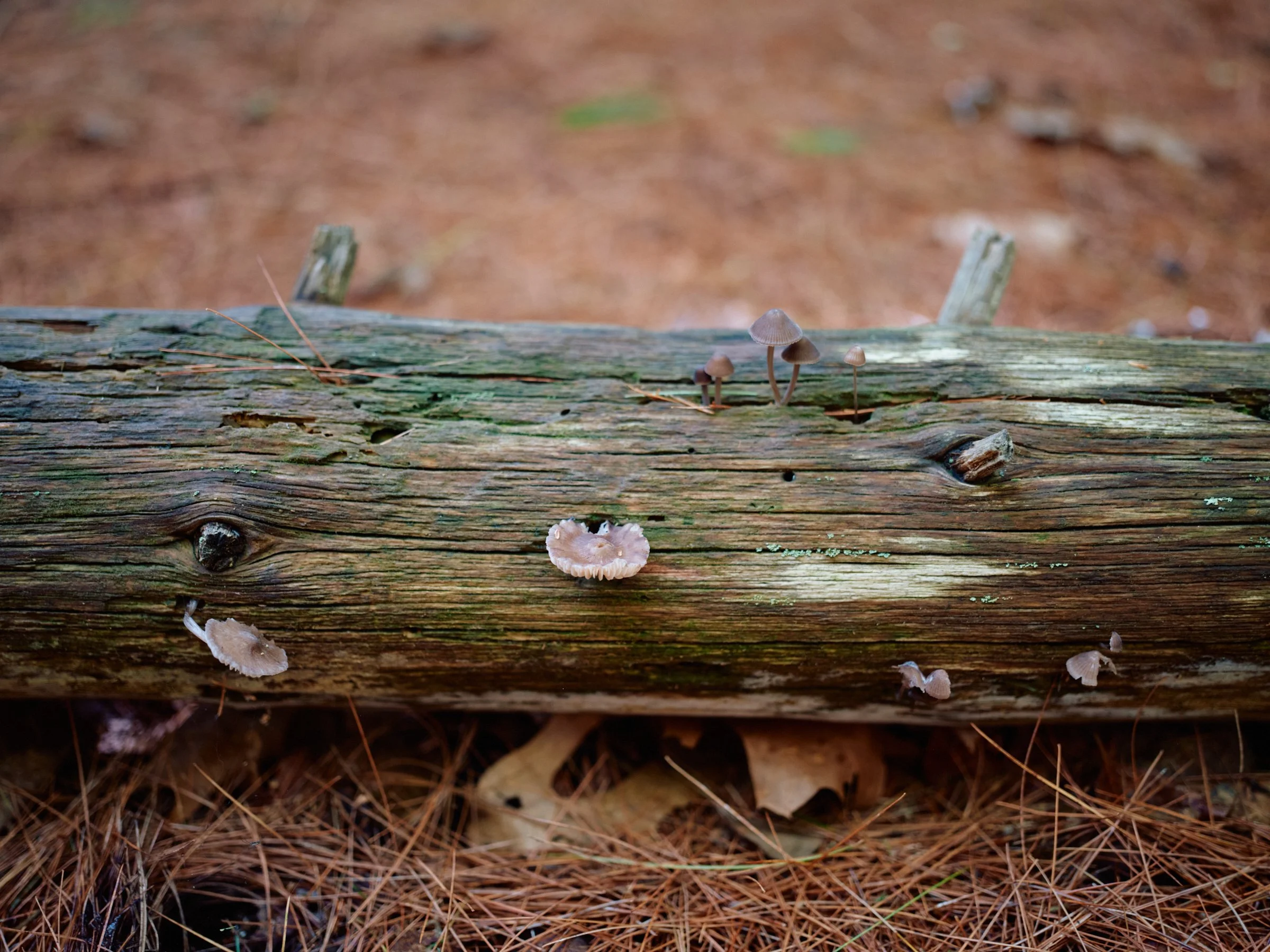
The Island's trees and forests are doing important work — storing carbon, managing storm water, cooling and cleaning the air, providing habitat, and recharging the aquifer through soil infiltration. Decisions about mature trees and forests should account for these services, especially as the Island faces the accelerating pressures of a changing climate.
Public Land & CPA
The Community Preservation Act was created to help Massachusetts communities protect open space, preserve historic resources, and create affordable housing. Vineyard voters have consistently supported CPA funding with the understanding that a meaningful share goes to protecting natural resources. FVF advocates for a clear assessment of the ecological value of what may be lost before major land alterations are approved for new development.
Advocacy
● Ecological baseline assessments before any land clearing begins on public parcels using CPA funds.
● Explicit accounting of CPA expenditures that affect natural resources, so the community can evaluate whether the conservation intent of the program is being honored.
The Residential Landscape & an Island-Wide Tree Ordinance
The most visible change to the Island's residential landscape in recent years has been the clearing of trees, brush, and understory vegetation replaced by chemically treated lawns and pools. Cumulatively, across thousands of residential properties on a 100-square-mile island, the effect is significant.
The Case for an Island Wide Tree Ordinance on Public Land
Currently, the only trees that have any level of protection are those in historic districts and/or near wetlands. A tree ordinance would provide a framework for impactful conservation.
Island Wide Framework
What an Island-Wide Framework Could Accomplish
● A shared baseline. An island-wide inventory of significant trees and forest cover would allow communities (and the MVC) to understand what is being lost across the Island over time, not just parcel by parcel.
● A tool for the MVC. The Martha's Vineyard Commission reviews large developments as Developments of Regional Impact. A tree ordinance would give the MVC a quantifiable, consistent standard for evaluating the cumulative impact of development projects that propose clear cutting large swaths of forest habitat.
● Incentives for landowners. Many property owners are not aware of the ecological and financial value of mature trees on their land. An island wide framework that includes educational outreach about the tremendous value of mature trees makes protecting them more appealing.
Our work draws from the wisdom of the Island Plan.