Forest Facts
Martha’s Vineyard’s Trees and Forests
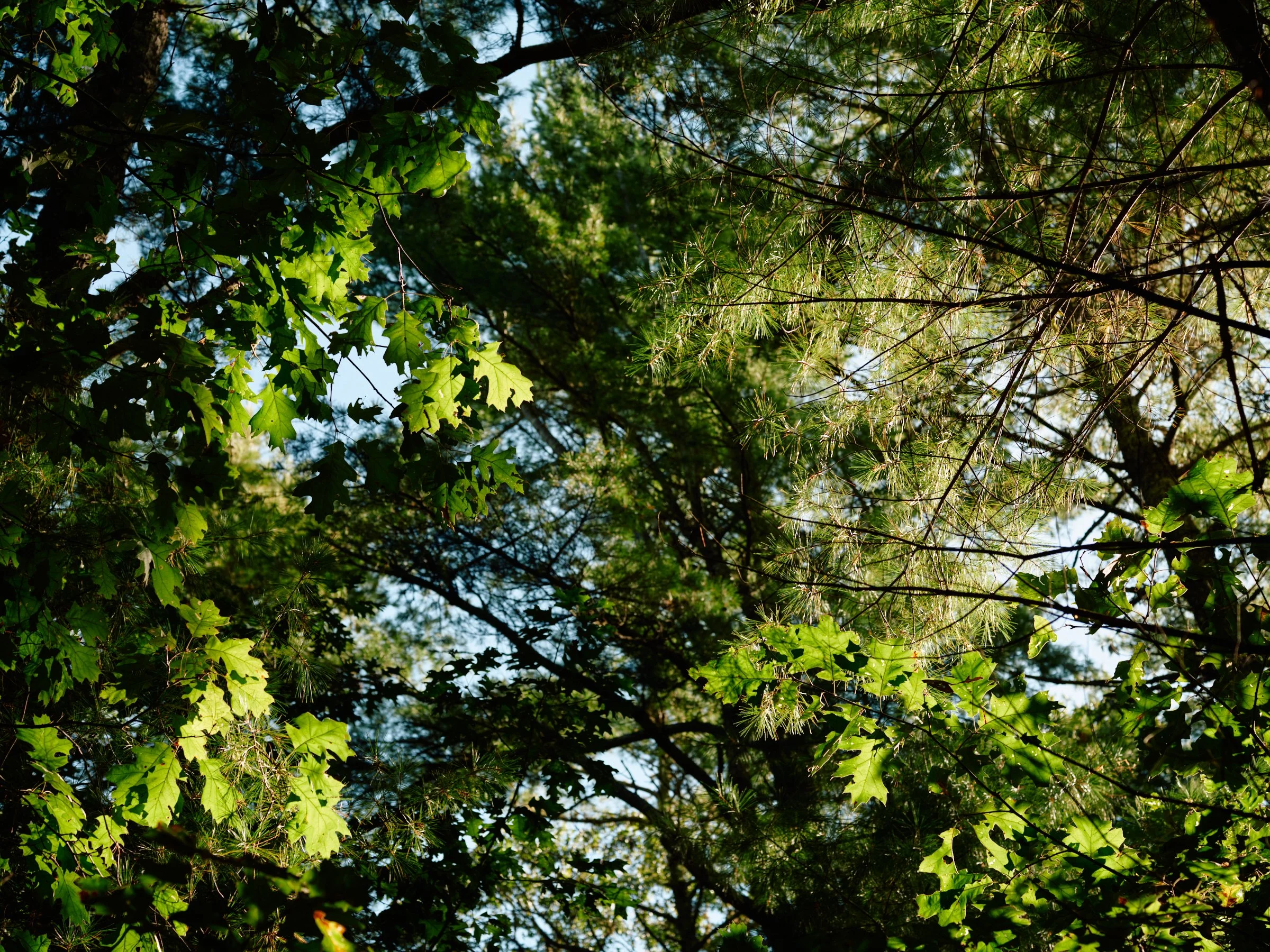
Martha’s Vineyard is home to a remarkable network of trees, micro forests, and larger forests. These landscapes provide sanctuary for wildlife, protect groundwater resources, reduce erosion, store carbon, cool and clear the air, offset the negative impacts of flooding and offer opportunities for recreation and connection with nature.
As a whole, the islands tress and forests face increasing environmental pressures, including:
Large scale development
Climate change and drought stress
Southern pine beetle infestations
Wildfire risk management concerns
Loss of biodiversity and habitat connectivity
Manuel F. Correllus State Forest
At the center of the Island lies the Manuel F. Correllus State Forest, encompassing approximately 5,300 acres of protected land and representing one of Martha’s Vineyard’s most important ecological resources.
The MSCF forest contains a complex mix of:
Pitch pine stands
White pines
Scrub oak barrens
Grasslands
Rare and endangered species
Why Trees and Forests Matter
Mature trees and forests are essential to the health and sustainability of Martha’s Vineyard because they:
Protect the Island’s drinking water supply
Provide critical wildlife habitat
Support biodiversity and rare ecosystems
Help stabilize soils and reduce erosion
Store carbon and improve air quality
Preserve the Island’s rural and natural character
Contribute to good health and well being
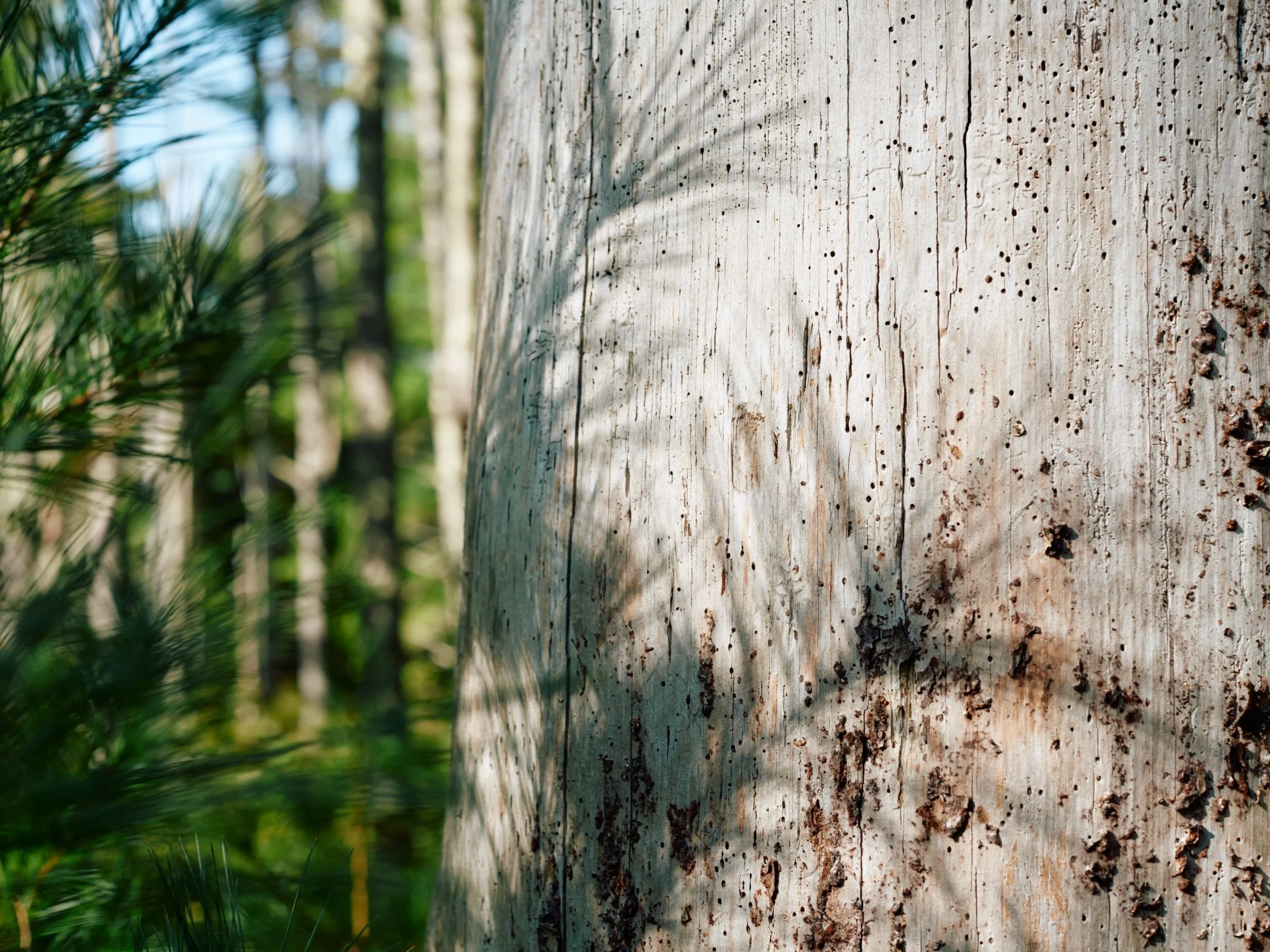
Trees are assets.
Carbon Storage
A mature tree stores hundreds of pounds of carbon in its wood, roots, and surrounding soil. Forests are among the most cost-effective carbon storage systems on Earth and unlike many carbon offsets, they are tangible, local, and verifiable. When a mature tree is removed, that carbon is released. It cannot be restored quickly.
Source: USDA Forest Service, Harvard Forest Carbon Research
Groundwater Recharge
Forested land supports groundwater recharge through slower surface runoff, deeper soil infiltration, and the organic matter that roots and leaf litter contribute to the soil. Martha's Vineyard depends entirely on groundwater — there are no rivers or reservoirs. Every forest that remains is contributing to the aquifer that everyone on this island drinks from.
Source: USGS Groundwater Studies, Cape Cod Commission Watershed Research
Air Quality & Temperature
Urban heat island effects are real and measurable even on an island. Tree canopy shades streets and properties, reducing surface temperatures by as much as 10°F on hot summer days. Trees also filter particulates and absorb pollutants from vehicle traffic and other sources. These benefits are most valuable — and hardest to replace — in the densely developed town centers.
Source: USDA Urban Forestry Research, EPA Urban Heat Island Studies
Native Plant Communities
The understory beneath mature trees — the shrubs, ferns, mosses, and wildflowers — often represents decades or centuries of ecological development. Many of these plants are specialists, dependent on specific soil conditions, light regimes, and mycorrhizal networks that can only exist in the presence of mature trees. When the canopy goes, the understory community usually goes with it.
Source: Harvard Forest Ecology Research, MV Flora Survey Records
Island Character & Property Value
Study after study documents that mature trees increase property values, reduce stormwater management costs, and lower energy bills for adjacent homes. Beyond the financial, the forested landscape is inseparable from what Martha's Vineyard is. The Island's character — the thing that draws people here and keeps them — is partly built on what can be seen through the car window on the way from the ferry.
Source: USDA Forest Service i-Tree Urban Forest Valuation, American Forests